
Canine Influenza Virus: A Complete Guide to Understanding, Preventing, and Managing Dog Flu
Canine Influenza Virus (CIV), also referred to as dog flu, is a highly contagious viral infection that affects dogs’ respiratory systems. Like the flu in humans, CIV can cause symptoms ranging from mild coughs to severe pneumonia. Understanding the virus, its transmission, symptoms, treatment, and preventive measures is crucial for dog owners, shelters, and veterinarians. Early detection and proper management can help mitigate outbreaks and protect dogs from the severe effects of the virus.
What is Canine Influenza Virus?
Canine Influenza Virus is an influenza virus that primarily affects dogs. It is caused by two main strains of the influenza virus:
-
H3N8: The first strain of canine influenza discovered in 2004. It originated from horses but mutated to affect dogs.
-
H3N2: A newer strain that emerged in 2015, thought to have come from avian sources (birds), it has since spread rapidly among the dog population.
Both strains of the virus can infect dogs and cause respiratory illness, although H3N2 has been more widespread due to its higher transmission rates.

Canine Influenza Transmission
Canine influenza is highly contagious, and its spread is facilitated by the following:
-
Respiratory Droplets: Dogs infected with CIV can spread the virus through coughing, sneezing, and nasal discharge. Dogs in close quarters are particularly vulnerable.
-
Direct Contact: Infected dogs can transfer the virus through saliva or nasal discharge if they come into contact with other dogs.
-
Contaminated Objects: CIV can survive on surfaces such as food bowls, bedding, leashes, and toys for up to 48 hours. Dogs can become infected by touching these surfaces.
-
Airborne Spread: In environments with many dogs, such as kennels or veterinary clinics, the virus can spread through the air.
Symptoms of Canine Influenza
Symptoms of canine influenza can range from mild to severe, with the virus typically affecting the respiratory system. Common symptoms include:
-
Coughing: A persistent, dry cough that may sound like a honking noise.
-
Nasal Discharge: Dogs may experience clear to thick mucous discharge from the nose.
-
Fever: Elevated body temperature, often exceeding 103°F (39.4°C).
-
Lethargy: Dogs may become unusually tired and sluggish.
-
Loss of Appetite: Infected dogs often lose interest in food and may eat less.
-
Watery Eyes: Some dogs may exhibit excessive tearing or conjunctivitis (inflammation of the eyes).
-
Difficulty Breathing: In severe cases, dogs may experience labored or rapid breathing due to pneumonia.
While the majority of dogs will recover with supportive care, severe cases can lead to secondary bacterial infections like pneumonia, which can be life-threatening if left untreated. Dogs with weakened immune systems, puppies, or older dogs are at higher risk for developing complications.
Diagnosis of Canine Influenza
To diagnose canine influenza, veterinarians rely on clinical signs, history of exposure, and diagnostic testing. Since the symptoms of CIV are similar to other respiratory diseases like kennel cough, additional tests are usually necessary to confirm the infection:
-
Polymerase Chain Reaction (PCR) Test: A highly sensitive test that detects the genetic material of the virus in nasal or throat swabs.
-
Serology: Blood tests that detect antibodies against the virus. These are often used to confirm past exposure or to detect the presence of the virus.
-
Chest X-rays: In cases of severe illness, X-rays may be needed to check for pneumonia or other complications.

Treatment of Canine Influenza
There is no specific antiviral treatment for canine influenza. Most cases are treated with supportive care, which helps manage symptoms and assist in recovery. Common treatments include:
-
Fluids: To keep the dog hydrated, especially if it has a fever or reduced appetite.
-
Antibiotics: If secondary bacterial infections such as pneumonia develop, antibiotics may be prescribed.
-
Cough Suppressants: In some cases, medications to reduce coughing may be given to make the dog more comfortable.
-
Oxygen Therapy: In severe cases, dogs with respiratory distress may require oxygen therapy.
Severe cases of canine influenza may require hospitalization, where the dog can receive intravenous fluids and more intensive care. It’s essential to consult with a veterinarian for the proper treatment plan tailored to the dog’s condition.
Canine Influenza Vaccination
The most effective method of preventing canine influenza is vaccination. While the vaccine does not guarantee complete immunity, it significantly reduces the severity of symptoms and the likelihood of complications. Vaccination is especially important for dogs in high-risk environments such as:
-
Kennels
-
Dog parks
-
Grooming facilities
-
Veterinary clinics
There are vaccines available for both H3N8 and H3N2 strains of canine influenza. The vaccine is generally administered in two doses, with the second dose given about 2 to 4 weeks after the first. Annual boosters may be required to maintain protection.
Preventing Canine Influenza
In addition to vaccination, there are several other preventive measures dog owners and facilities can take to protect dogs from canine influenza:
-
Avoid Exposure: Limit your dog’s contact with other dogs, especially in crowded places like dog parks or boarding facilities, if there’s an outbreak of canine influenza.
-
Isolation of Infected Dogs: If a dog is showing symptoms of canine influenza, it should be isolated from other dogs to prevent the virus from spreading.
-
Clean and Disinfect: Thoroughly disinfect common areas, including kennels, grooming stations, and veterinary clinics, using a disinfectant proven to kill viruses.
-
Good Hygiene Practices: Wash hands, clothing, and equipment after handling infected dogs to minimize the spread of the virus.
-
Monitor Health: Regularly monitor your dog’s health, especially if they have been exposed to potentially infected dogs. Early detection allows for quick intervention and treatment.
Is Canine Influenza Dangerous to Humans?
While canine influenza primarily affects dogs, there have been rare reports of human infection with the virus, particularly with the H3N2 strain. However, the risk of humans contracting canine influenza is extremely low, and human-to-dog transmission is not a concern. As a precaution, it is always a good idea to practice good hygiene, especially when handling sick dogs.
Canine Influenza in High-Risk Environments
Certain environments present a higher risk for the spread of canine influenza, particularly areas with high dog populations or frequent dog-to-dog contact. These high-risk settings include:
-
Animal Shelters and Rescue Groups: Dogs in shelters or rescue environments may be at higher risk due to the density of animals and the potential for the virus to spread quickly.
-
Veterinary Clinics: While veterinary clinics provide necessary care, they can also be hotspots for infection if infected dogs are brought in for treatment.
-
Dog Daycares and Boarding Facilities: These facilities often house many dogs together, providing an ideal environment for the spread of respiratory viruses like canine influenza.
It’s essential for facilities to have protocols in place to reduce the risk of infection, including proper vaccination and isolation procedures for sick dogs.
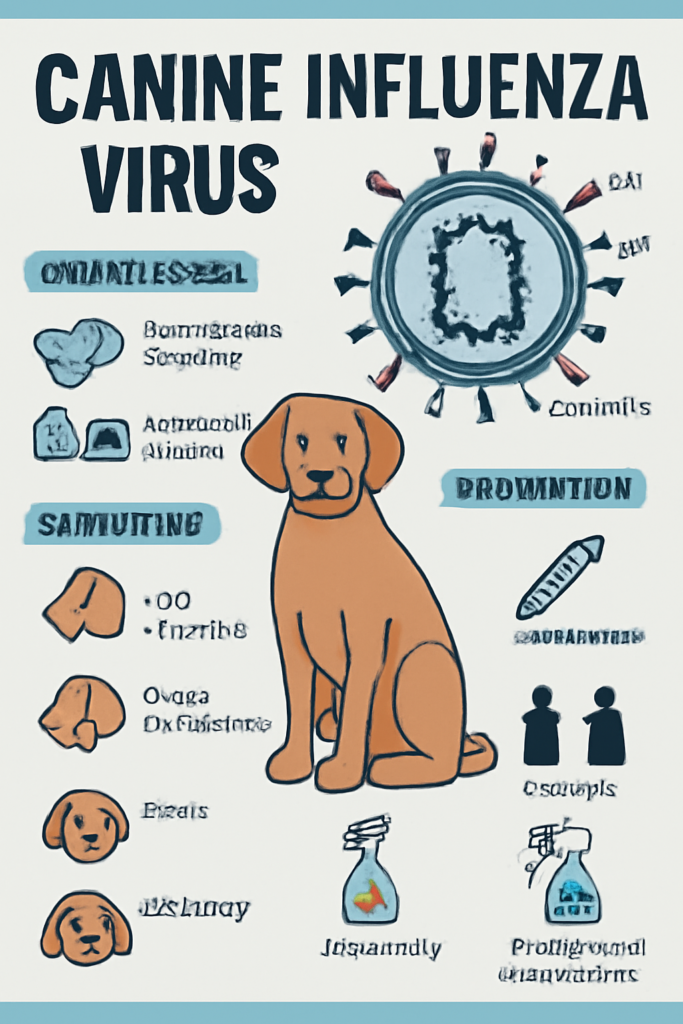
Canine Influenza Outbreaks
Canine influenza outbreaks can occur when an infected dog enters a high-density area where dogs are in close contact. These outbreaks can spread quickly and affect a large number of dogs. Local veterinary clinics, shelters, and animal control agencies are often involved in managing outbreaks by notifying pet owners, providing vaccinations, and implementing isolation measures to reduce transmission.
Outbreak Prevention and Management
The management of canine influenza outbreaks relies on several key strategies:
-
Monitoring and Surveillance: Veterinarians and shelters should monitor for signs of illness and perform diagnostic tests if an outbreak is suspected.
-
Quarantine Measures: Infected dogs should be isolated from healthy dogs to limit the virus’s spread. This includes using separate enclosures, isolation rooms, and equipment.
-
Public Awareness: Pet owners should be informed about the symptoms of canine influenza and encouraged to get their dogs vaccinated.
-
Cleaning and Disinfection Protocols: Regular cleaning of high-touch surfaces, toys, bedding, and food/water bowls is essential in stopping the spread of the virus.
Conclusion: Keeping Your Dog Safe from Canine Influenza
Canine Influenza Virus (CIV) is a highly contagious respiratory illness that can cause a range of symptoms, from mild coughing to life-threatening pneumonia. Understanding the symptoms, transmission methods, and preventive measures is crucial for managing and reducing the risk of infection. Vaccination remains the most effective way to protect dogs from canine influenza, but proper hygiene, monitoring, and isolation practices also play a vital role in preventing outbreaks.
By following recommended preventive measures and seeking early treatment for infected dogs, pet owners can help protect their pets from the harmful effects of canine influenza and ensure their dogs stay healthy and happy.
For more information on canine influenza, consult your veterinarian or visit trusted resources such as CDC – Canine Influenza, AVMA – Canine Influenza, and American Kennel Club – Dog Flu.
In this article, keywords such as Canine Influenza, dog flu, H3N8, H3N2, dog vaccination, dog respiratory illness, dog health, preventing dog flu, kennel cough, and dog flu treatment have been integrated throughout the content. These keywords will help the article rank higher in search engines for topics related to canine health and influenza, ensuring better visibility and increased organic traffic.