
Precast Protein Plus Gel, 15%: The Ultimate Solution for High-Resolution Protein Electrophoresis
Introduction to Precast Protein Plus Gel, 15%
The Precast Protein Plus Gel, 15% is a premium polyacrylamide gel designed for protein separation and analysis using SDS-PAGE (Sodium Dodecyl Sulfate Polyacrylamide Gel Electrophoresis). It is pre-cast, eliminating the need for time-consuming gel preparation processes and providing reliable, high-quality results every time. With its 15% polyacrylamide concentration, this gel is tailored to provide exceptional resolution for proteins in the 10-150 kDa range. It is ideal for a wide range of applications, from protein quantification to Western blotting and proteomics studies.
The Precast Protein Plus Gel, 15% is used extensively in molecular biology, biochemistry, biotechnology, and pharmaceutical research. It allows researchers to analyze complex protein mixtures, determine protein size, and assess protein purity, among other critical tasks. This gel offers consistent and reproducible results, making it a go-to choice for both routine and high-throughput experiments.

Why Choose Precast Protein Plus Gel, 15%?
1. Precision and High-Resolution Protein Separation
The Precast Protein Plus Gel, 15% is specifically formulated to provide optimal resolution for proteins in the 10-150 kDa molecular weight range. This is a crucial range for many proteins involved in various cellular processes, such as enzymes, receptors, transcription factors, and membrane proteins. Whether you’re separating small peptides or mid-sized proteins, this gel guarantees clear, well-resolved protein bands for accurate analysis.
The high-resolution gel ensures that even proteins with slight differences in molecular weight can be distinctly separated, facilitating precise identification and quantification. This makes the Precast Protein Plus Gel an indispensable tool in quantitative proteomics, biomarker discovery, and other areas of molecular biology research.
2. Time-Saving Pre-Cast Gel Design
One of the primary advantages of the Precast Protein Plus Gel, 15% is its pre-cast design, which saves researchers significant time by eliminating the need for manual gel preparation. Traditional gel preparation can be time-consuming, involving mixing, polymerization, and casting, which also introduces the potential for batch-to-batch variability. With the Precast Protein Plus Gel, these steps are already completed, ensuring consistent quality and reliable performance.
Since the gel is ready to use right out of the package, researchers can quickly set up their electrophoresis experiments without delays. This is especially valuable in high-throughput research environments where time is of the essence, and consistent results are required for large numbers of samples.
3. Compatibility with Standard Electrophoresis Systems
The Precast Protein Plus Gel, 15% is compatible with standard SDS-PAGE electrophoresis systems, including vertical gel electrophoresis chambers and modern automated systems. Researchers do not need to invest in specialized equipment to use this gel, making it an ideal choice for labs with existing electrophoresis setups. Its versatility also means that it can be seamlessly integrated into established protocols, facilitating easy adaptation for both beginners and experienced researchers.
4. Reproducible and Reliable Results
Researchers know how critical reproducibility is when conducting experiments, especially in protein analysis. The Precast Protein Plus Gel, 15% is manufactured under strict quality control conditions, ensuring consistent pore sizes and electrophoretic performance. The gel’s uniformity leads to reliable separation of proteins, providing reproducible results across different batches and experimental conditions.
This reliability is especially important for large-scale proteomics studies and projects requiring the comparison of protein profiles across multiple samples or conditions. Consistency in protein migration and band patterns ensures that researchers can trust the results from each experiment.
5. Versatility Across Protein Analysis Techniques
The Precast Protein Plus Gel, 15% is highly versatile and can be used in various protein analysis techniques. Here are some common applications:
-
SDS-PAGE for separating proteins by size.
-
Western blotting for detecting specific proteins through antibody binding.
-
Protein quantification for assessing protein concentration and purity.
-
Proteomics for identifying and characterizing proteins from complex mixtures.
This multi-functional capability ensures that the gel meets the needs of a wide variety of experimental designs, from basic research to advanced analytical applications.
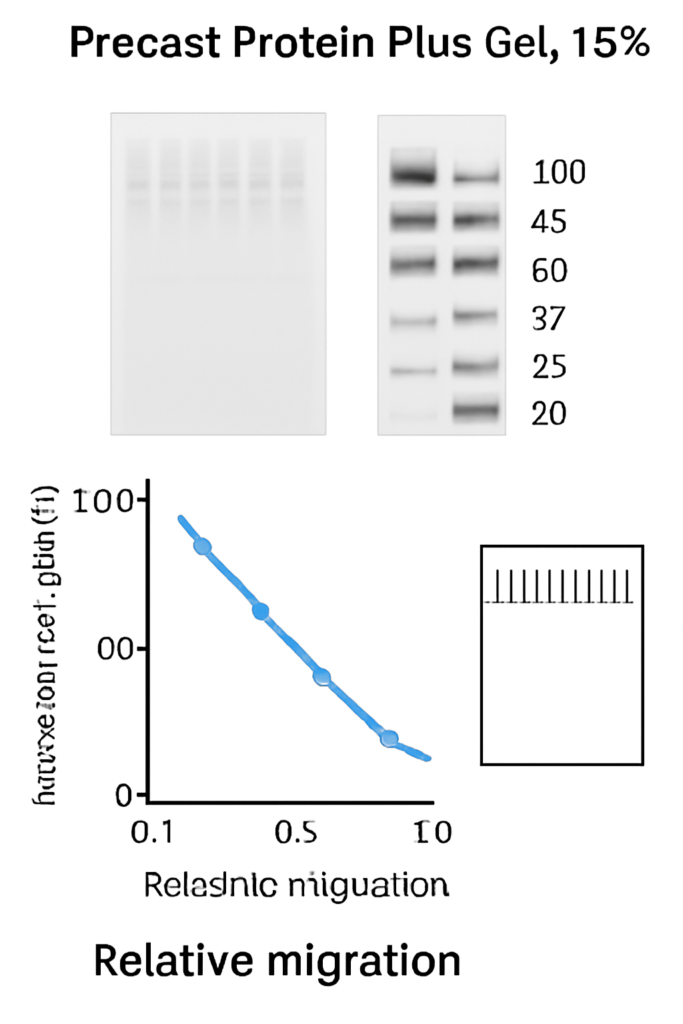
Applications of Precast Protein Plus Gel, 15%
The Precast Protein Plus Gel, 15% is widely used in many molecular biology and biotechnology applications. Here are some of the most common uses:
1. SDS-PAGE for Protein Separation
SDS-PAGE is one of the most widely used techniques for protein analysis, and the Precast Protein Plus Gel is optimized for this application. By applying an electric field to a protein sample, proteins coated with SDS move through the gel, separating based on their molecular weight. Smaller proteins migrate faster than larger proteins, allowing for a clear separation of protein bands.
For SDS-PAGE, the Precast Protein Plus Gel offers excellent resolution, especially for proteins in the 10-150 kDa range. Researchers can use this gel to analyze cell lysates, purified proteins, or protein complexes.
2. Western Blotting for Protein Detection
After separating proteins via SDS-PAGE, the Precast Protein Plus Gel can be used in Western blotting workflows. In this process, proteins are transferred from the gel to a membrane (usually PVDF or nitrocellulose) and probed with antibodies specific to the protein of interest. The ability to detect proteins in complex mixtures is critical for a wide range of applications, from diagnostic assays to basic research.
3. Protein Quantification and Purity Assessment
Protein purity and concentration are vital factors when preparing protein samples for downstream applications. The Precast Protein Plus Gel is perfect for assessing protein purity by separating the protein of interest from contaminants, degradation products, or other impurities. The sharp and well-defined bands generated by the gel help researchers easily estimate the purity and concentration of the protein, ensuring that only high-quality proteins are used for subsequent experiments.
4. Proteomics and Mass Spectrometry
Proteomics involves the large-scale study of proteins and their functions. The Precast Protein Plus Gel, 15% plays an essential role in mass spectrometry-based proteomics studies. By separating proteins from complex mixtures, the gel aids in identifying protein signatures and characterizing post-translational modifications such as phosphorylation and glycosylation. The high resolution of the gel allows for the identification of low-abundance proteins that would otherwise be undetectable.
5. Diagnostic Research and Biomarker Discovery
The Precast Protein Plus Gel is also used in diagnostic research, particularly in identifying biomarkers for diseases such as cancer, diabetes, and cardiovascular conditions. By analyzing serum, plasma, or tissue samples, researchers can detect disease-specific proteins and study their role in the disease process. This type of analysis is critical in the development of diagnostic assays and therapeutic targets.
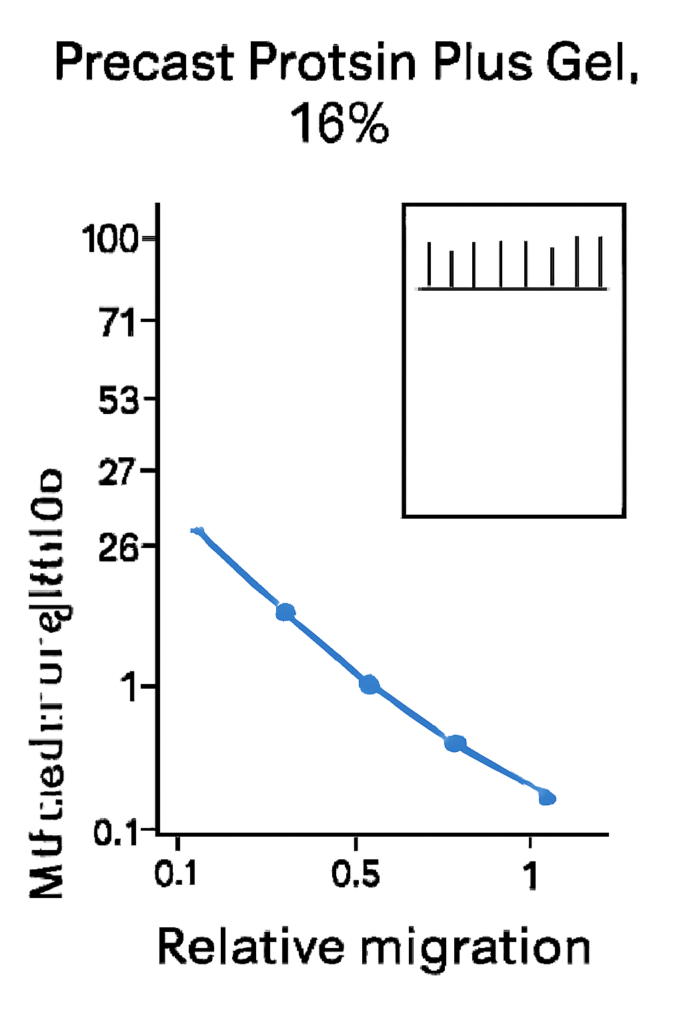
Step-by-Step Guide to Using Precast Protein Plus Gel, 15%
Here is a detailed guide on how to effectively use the Precast Protein Plus Gel, 15% in your experiments:
Step 1: Gel Setup
Remove the gel from the packaging and place it into your electrophoresis apparatus. Ensure that the gel is stored at 4°C prior to use, and allow it to come to room temperature for optimal performance.
Step 2: Protein Sample Preparation
Prepare your protein samples by adding SDS sample buffer, which denatures the proteins and ensures they are negatively charged. Heat the samples at 95°C for 5-10 minutes to fully denature the proteins.
Step 3: Loading the Gel
Load the protein samples into the wells of the Precast Protein Plus Gel, 15%. For size reference, load a protein ladder or molecular weight marker into an adjacent well.
Step 4: Running the Gel
Fill the electrophoresis tank with SDS-PAGE running buffer and apply a voltage of 100-150 V. Run the gel until the dye front reaches the end of the gel. Depending on the size of your proteins, this may take around 1-2 hours.
Step 5: Staining the Gel
After electrophoresis is complete, stain the gel with Coomassie Brilliant Blue, silver stain, or use a fluorescent dye for sensitive protein detection. This will allow you to visualize the separated proteins.
Step 6: Western Blotting (Optional)
For Western blotting, transfer the proteins from the gel to a membrane using semi-dry or wet transfer methods. After transfer, incubate the membrane with primary antibodies specific to your protein of interest, followed by secondary antibodies conjugated to a detection enzyme.
Conclusion:
The Precast Protein Plus Gel, 15% is an indispensable tool in molecular biology, providing high-resolution protein separation with excellent reproducibility and ease of use. Its pre-cast design saves time and effort, while its compatibility with standard electrophoresis systems ensures versatility across various protein analysis applications.
From protein quantification to Western blotting, proteomics, and diagnostic research, the Precast Protein Plus Gel, 15% is the go-to choice for researchers in both academic and commercial settings. By choosing this gel, researchers can obtain accurate, reproducible results that contribute to breakthroughs in molecular biology, biotechnology, and clinical diagnostics.
Explore more about the Precast Protein Plus Gel, 15%, and place your order now to elevate your protein analysis workflow.