
Positive PCR Quality Control: A Deep Dive into PCR Reliability and Reproducibility
Polymerase Chain Reaction (PCR) is one of the most widely used and powerful techniques in molecular biology. It allows for the amplification of specific DNA sequences from even the most minute biological samples. Whether used in genetic research, clinical diagnostics, or forensic analysis, PCR plays a vital role in modern science. However, the success of PCR relies heavily on stringent quality control procedures, particularly the use of positive PCR quality controls to ensure the validity and reproducibility of results.
The Science Behind PCR
At its core, PCR is a technique used to amplify a specific segment of DNA, producing millions of copies from a single DNA molecule. This process is achieved through a series of steps that include denaturation, annealing, and extension. During these cycles, the DNA polymerase enzyme works in conjunction with primers to replicate the DNA, creating large quantities of the target sequence.
This amplified DNA is then analyzed to answer a wide range of scientific questions—from identifying pathogens to detecting genetic mutations. However, for PCR to produce reliable results, proper quality control procedures are essential.
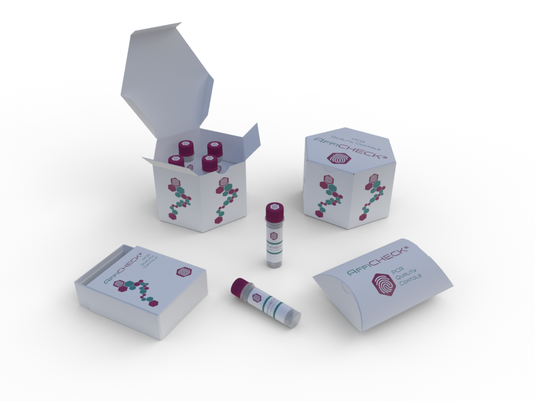
What is PCR Quality Control?
PCR Quality Control (QC) refers to the practices, methods, and strategies applied to ensure that a PCR reaction delivers accurate, reproducible, and reliable results. The primary goal of PCR QC is to monitor and correct any issues that may arise during the PCR process, which could lead to errors such as false positives, false negatives, or inconsistent amplification.
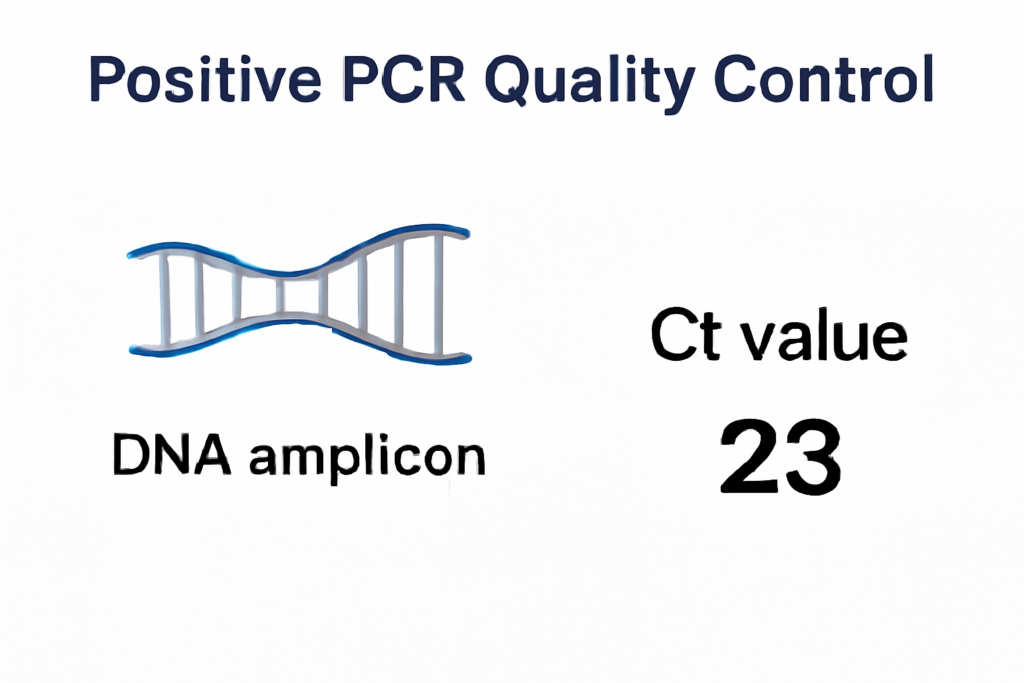
One of the most important aspects of PCR QC is the use of positive controls. A positive PCR control is a known DNA sample that contains the target sequence of interest. The positive control is included in every PCR run to ensure that the assay is functioning correctly.
Key Functions of a Positive PCR Control
-
Confirms Amplification Success: A positive control validates that the PCR process is capable of amplifying the target DNA sequence under the given conditions.
-
Verifies Reagent and Primer Quality: The inclusion of a positive control ensures that the PCR reagents (such as primers, polymerase, and buffers) and the DNA polymerase enzyme are functioning correctly.
-
Ensures Proper Thermal Cycling Conditions: The success of a positive control confirms that the thermal cycler settings (e.g., temperatures for denaturation, annealing, and extension) are correctly configured.
-
Identifies and Troubleshoots Problems: If the positive control fails, it indicates that there may be issues with the PCR setup, such as degraded reagents, faulty equipment, or incorrect protocol.
Types of Positive PCR Controls
A positive PCR control can come in several forms depending on the PCR method and the target sequence being amplified:
-
Extracted DNA from Known Source: This control involves using DNA from a well-known organism or biological sample that contains the target sequence. For example, a PCR test for SARS-CoV-2 might use a synthetic virus DNA or RNA as a positive control.
-
Synthetic DNA Constructs: Synthetic DNA fragments containing the target sequence can serve as positive controls, especially useful when the target DNA sequence is rare or difficult to obtain naturally.
-
Plasmid Control: A plasmid containing the target DNA sequence can be used as a positive control. This is often used in genetic engineering experiments or gene expression studies.
-
In Vitro Transcribed RNA: In PCR methods such as RT-PCR (Reverse Transcription PCR), positive controls can be RNA-based, transcribed in vitro from plasmid constructs, and then converted to cDNA for amplification.
PCR Quality Control Strategies: More Than Just Positive Controls
While positive PCR controls are critical, they are only one aspect of a comprehensive PCR quality control strategy. There are several other steps that researchers and clinicians must consider to ensure the accuracy and reliability of PCR results:
1. Negative Controls
A negative PCR control contains all the reagents required for the PCR reaction but no DNA template. It is used to detect contamination in the PCR reagents or environment. If amplification occurs in the negative control, it suggests that there has been cross-contamination during the PCR setup, which must be investigated and rectified.
2. Internal Controls
An internal control is a separate sequence added to the PCR reaction to confirm that the PCR process is working for a specific target. Internal controls are especially useful when performing multiplex PCR, where more than one target sequence is amplified simultaneously.
Internal controls also serve to normalize the data, helping to ensure that any changes in amplification are due to experimental variables and not issues with the PCR process itself.

3. Reagent Quality
Ensuring the quality of PCR reagents is essential. Primers, dNTPs (deoxynucleotide triphosphates), buffers, and DNA polymerase are critical to the success of PCR. Regular testing of these reagents using positive and negative controls can help identify problems early on. Using high-quality, freshly prepared reagents ensures consistent results across experiments.
4. Thermal Cycler Calibration
The performance of the thermal cycler is another important factor in PCR QC. The thermal cycler must be regularly calibrated to ensure that the temperatures during the denaturation, annealing, and extension steps are consistent and accurate. Many thermal cyclers come with built-in calibration tools, and regular verification with positive controls ensures optimal performance.
5. Sample Preparation and Handling
Sample integrity is also critical for PCR success. Contamination from other DNA sources, improper storage, or mishandling of the sample can interfere with the amplification process. Researchers must follow strict protocols for collecting, storing, and preparing samples to prevent contamination and ensure the integrity of the DNA.
The Importance of Positive PCR Controls in Clinical Diagnostics
In clinical diagnostics, PCR is frequently used for detecting a wide range of infectious diseases, including bacterial, viral, and fungal infections. It is also used for detecting genetic mutations and alterations in patients’ DNA, such as in genetic testing or cancer diagnostics.
Infectious Disease Detection
PCR is one of the most accurate and sensitive methods for detecting infectious agents, such as viruses (e.g., SARS-CoV-2, HIV, hepatitis), bacteria (e.g., Mycobacterium tuberculosis), and fungi (e.g., Candida spp.). In these applications, positive PCR controls are essential to ensure that the PCR test is functioning correctly, confirming that the pathogen DNA can be detected in the sample.
Genetic Testing
In genetic testing, positive PCR controls help confirm the amplification of specific genetic sequences associated with genetic disorders or mutations. For example, cystic fibrosis or Huntington’s disease testing often involves PCR amplification of gene sequences, and a positive control ensures the accuracy of these tests.
Cancer Diagnostics
PCR-based assays are also used in cancer diagnostics to detect mutations or gene expressions associated with different types of cancer. Positive controls ensure that the PCR reaction detects the specific biomarkers or mutations associated with the disease.
Troubleshooting Positive PCR Control Failures
When a positive PCR control fails to amplify, it can be a sign of several potential issues in the PCR setup. Here are common reasons for positive PCR control failure and their corresponding troubleshooting solutions:
1. No Amplification in the Positive Control
-
Possible Causes: Reagents are degraded, incorrect thermal cycler settings, or poor DNA template quality.
-
Troubleshooting Steps: Ensure that fresh, high-quality reagents are used. Check thermal cycler settings, and confirm that the DNA template is intact and properly stored.
2. Weak or Non-Specific Amplification
-
Possible Causes: Poor primer design, suboptimal reaction conditions, or primer-dimer formation.
-
Troubleshooting Steps: Optimize the PCR conditions (e.g., annealing temperature) and verify primer design. Ensure that the primers are specific to the target and do not form dimers.
3. Amplification in Negative Control
-
Possible Causes: Cross-contamination or contaminated reagents.
-
Troubleshooting Steps: Review the PCR setup to eliminate contamination sources. Use clean pipettes and gloves, and ensure that all reagents are free from contamination.
Best Practices for Positive PCR Control Usage
To ensure that positive PCR controls deliver accurate results, consider the following best practices:
-
Use Positive Controls Regularly: Always include a positive control in your PCR runs to verify the success of the experiment.
-
Store Reagents Properly: Store PCR reagents in the recommended conditions to prevent degradation.
-
Optimize PCR Conditions: Regularly optimize PCR cycling conditions based on the nature of the target sequence and the reaction setup.
-
Document Results: Keep detailed records of PCR experiments, including the performance of positive and negative controls, for future troubleshooting and validation.
Conclusion
In summary, positive PCR quality control is an essential component of PCR-based experiments. Whether used in clinical diagnostics, genetic research, or forensic investigations, positive controls help validate the PCR reaction, ensuring accurate and reproducible results. By integrating positive PCR controls into regular workflows, researchers and clinicians can confidently rely on PCR as a tool for molecular analysis.
By maintaining high standards of PCR quality control, including the use of positive controls, it is possible to achieve consistent and reliable results, leading to more precise diagnostics, better research outcomes, and greater scientific progress.
For more in-depth information on PCR quality control practices and troubleshooting tips, refer to trusted resources from CDC – PCR Guidelines, NIH – PCR Protocols, and other authoritative scientific publications.