
Granzyme B ELISA: A Key Tool for Immune Response Research
Granzyme B, a serine protease released by cytotoxic T lymphocytes (CTLs) and natural killer (NK) cells, is a key player in the immune system’s ability to induce apoptosis in infected or malignant cells. Detecting and quantifying this enzyme is critical for understanding immune responses in health and disease. The Granzyme B ELISA offers a sensitive, accurate, and quantitative method to measure Granzyme B levels in biological samples, making it an essential tool for immunologists, oncologists, and clinical researchers.
What is Granzyme B and Why Measure It?
Granzyme B is part of a family of granule-associated enzymes that, when secreted by activated CTLs and NK cells, initiate the programmed cell death (apoptosis) of target cells. This mechanism is pivotal in eliminating virus-infected cells and tumor cells. Monitoring Granzyme B levels can reveal the extent of immune activity and is useful in many areas of medical research and diagnostics, including cancer immunotherapy, autoimmune diseases, and infectious disease response.
Discover more about the role of Granzyme B in the immune system.
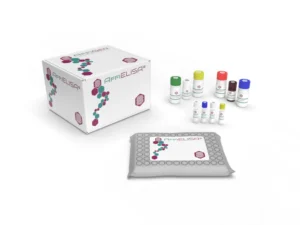
Granzyme B and Apoptosis
Granzyme B triggers apoptosis by activating caspases, a group of enzymes that execute the cell death program. It also cleaves key intracellular substrates that dismantle the cellular machinery, leading to cell death. Apoptosis is a vital process for maintaining cellular homeostasis, preventing the proliferation of damaged or harmful cells, such as in viral infections or cancer.
More on caspase activation and apoptosis.
The Significance of Measuring Granzyme B with ELISA
- Assessing Immune Cell Activity
Quantifying Granzyme B levels provides a direct measure of CTL and NK cell activity, which is critical for understanding immune responses in both normal and disease states. Elevated Granzyme B levels are typically seen during viral infections, tumor progression, and autoimmune diseases.
Granzyme B as a biomarker for immune activity. - Tracking Immunotherapy Efficacy
In cancer immunotherapy, such as CAR-T cell therapy and checkpoint inhibitors, tracking Granzyme B levels can help determine the effectiveness of the treatment. An increase in Granzyme B often correlates with enhanced CTL activity against tumor cells, indicating a successful immune response.
Immunotherapy and Granzyme B tracking. - Early Detection of Disease Progression
Measuring Granzyme B can also serve as an early indicator of disease progression in chronic viral infections, cancer, and autoimmune diseases. Monitoring changes in its levels may help clinicians adjust therapeutic strategies for better patient outcomes.
Granzyme B in disease monitoring.

Key Features of the Granzyme B ELISA
- High Sensitivity for Low-Abundance Detection
The Granzyme B ELISA kit is designed to detect even small amounts of the enzyme in complex biological fluids, such as serum, plasma, or tissue culture media. This is critical for applications where early or subtle changes in immune activity are monitored, such as in early-stage cancer or infection studies.
Sensitivity in ELISA assays for clinical applications. - Specificity for Granzyme B
The antibodies used in this ELISA are highly specific to Granzyme B, ensuring minimal cross-reactivity with other proteases or proteins. This high specificity is essential for accurately measuring Granzyme B levels in research focused on immune system dynamics.
Specificity in ELISA design. - Quantitative Output for Data Accuracy
The Granzyme B ELISA offers a quantitative readout, which is crucial for data-driven decision-making in both research and clinical settings. By comparing the results to a standard curve, researchers can precisely quantify the levels of Granzyme B in their samples.
How quantitative ELISAs improve research outcomes. - Optimized for a Variety of Sample Types
The ELISA kit works with multiple types of biological samples, including serum, plasma, and cell culture supernatants, making it a flexible tool for different research scenarios, from in vitro studies to clinical trials.
Optimizing sample types for ELISA.
Granzyme B in Disease Research
- Cancer Research
Granzyme B plays a central role in immune surveillance, where CTLs and NK cells destroy tumor cells. The ability to measure Granzyme B levels provides researchers with insights into tumor immunogenicity and the effectiveness of immune-based cancer therapies.
Granzyme B’s role in anti-tumor immunity. - Infectious Diseases
During viral infections, such as HIV, hepatitis, and influenza, the body’s immune system relies on CTLs to clear infected cells by releasing Granzyme B. Monitoring its levels can give researchers a clearer understanding of immune system function in response to viral pathogens.
Granzyme B in the context of viral infections. - Autoimmune Diseases
Autoimmune conditions like rheumatoid arthritis, lupus, and multiple sclerosis can lead to dysregulated immune responses, where the body’s own tissues are mistakenly targeted by immune cells. Elevated Granzyme B in these cases can indicate the level of immune-mediated tissue damage.
The connection between Granzyme B and autoimmune diseases. - Transplantation Immunology
Granzyme B levels are often used to assess the immune response during organ transplantation. Increased levels may indicate graft rejection, as activated immune cells attempt to destroy the transplanted organ. This makes the Granzyme B ELISA an important tool in transplantation research and post-operative monitoring.
More on immune monitoring in organ transplantation.

Best Practices for Using Granzyme B ELISA
- Sample Collection and Handling
Proper sample collection and storage are critical for accurate Granzyme B measurement. Serum or plasma should be collected using standardized protocols, and samples should be stored at appropriate temperatures to prevent degradation.
Best practices for sample handling in ELISA assays. - Data Analysis and Interpretation
Accurate interpretation of ELISA results requires careful data analysis, including the generation of standard curves and the use of appropriate controls. Software tools are often used to quantify Granzyme B levels from absorbance readings, ensuring precision.
Techniques for analyzing ELISA data. - Troubleshooting Common Issues
Common issues in ELISA assays, such as high background noise, low signal, or variability between replicates, can be addressed by optimizing antibody concentrations, blocking conditions, and sample preparation protocols.
Troubleshooting tips for ELISA.
Future Applications and Research
With the increasing focus on immunotherapies, vaccines, and the development of personalized medicine, the role of Granzyme B as a biomarker for immune activity continues to grow. ELISA kits for Granzyme B will likely play an important role in future clinical trials and in the development of new therapeutic strategies for treating immune-related diseases.
Future trends in immunotherapy and biomarker discovery.
Conclusion
The Granzyme B ELISA is a powerful and reliable assay that provides valuable insights into immune function and disease processes. Its application spans a wide range of research areas, from cancer immunotherapy to autoimmune disease monitoring, making it an indispensable tool for scientists and clinicians alike. As research into immune modulation and precision medicine continues, Granzyme B ELISA kits will remain at the forefront of scientific innovation.